Marken Law Group, PS, has helped hundreds obtain Social Security Disability and Supplemental Security Income (SSI) benefits through the Administration. We NEVER charge a fee unless you obtain the benefits you deserve!The following is meant to be a brief description of why your benefits were taken away, why more people receiving benefits (millions) will have their benefits ceased in the upcoming decade.You received benefits. Great news. In the decision it may state a review will be made in 18 or 36 months, for example. It might state “medical improvement is expected.” Even if it does not state this specifically in your award, the Social Security Administration has a right to review cases at ANY time. They will pull your medical records to see 1) if you have still been treating and 2) check if your medical condition has improved. If you have not been treating with any providers, they will likely cease benefits, causing you to need to appeal the decision and essentially go through the process of obtaining benefits again! If the Social Security Administration believes your medical records show improvement they will make a finding you are no longer disabled and cut off benefits.Have you been working? Your benefits can cease automatically if you made AT ANY TIME OR MONTH, over what Social Security has termed “Substantial Gainful Activity.” Click HERE to see the current amount and amount by year, currently it is $1260 PER MONTH GROSS (Before Taxes) for non-blind individuals.On November 18, 2019, the Trump Administration proposed a Social Security proposal that would have 2, 600, 000 Social Security cases reviewed for eligibility. In other words, 2.6 million people in America currently on Social Security Disability benefits would have their cases pulled, CURRENT medical records reviewed, etc, to see if those people are still disabled. This would result, likely, in hundreds of thousands if not more, depending on the complete proposal once submitted, to lose their disability benefits. The article can be found in full by clicking HERE. We are not taking a political view merely pointing out that there is a potential for MILLIONS of people who are currently receiving benefits to be kicked off of Social Security Disability benefits in the next decade. This will most likely affect those who are on disability and young (under the age of 50) and those who are on disability for mental illness. If I fell under one of those categories I would reengage in medical treatment to face the potential of an upcoming review.Marken Law Group, PS, has helped hundreds obtain Social Security Disability and Supplemental Security Income (SSI) benefits through the administration. We offer discounts to military veterans and NEVER charge a fee unless you obtain the benefits you deserve! Click below today for a free consultation!{{1-T}}-{{1-B}}
This isn’t your everyday money talk. Far from it. Indexed Universal Life (IUL) insurance flirts with the boundary between daring investment and cautious savings plan. It’s where the thrill of stock market indexes meets the steadfastness of life insurance.
The allure? A chance at higher returns without lying awake fearing market downturns. But here’s the kicker – those potential gains have limits. Yes, caps on how much you can earn might just be IUL’s way of saying “let’s keep this interesting.” And let’s not forget; it demands more than pocket change for its premium costs compared to simpler life policies.
Understanding Indexed Universal Life (IUL) Insurance
What Is an IUL Account?
Imagine a world where your life insurance does more than just offer peace of mind for the unexpected. Enter: indexed universal life (IUL) insurance. It’s not just any policy; it’s a savvy blend of protection and potential growth, wrapped up in one neat package.
How Does an IUL Account Work?
IUL policies are like the Swiss Army knife of the insurance world. Offering adjustable payments, these plans allow you to modify your contribution amounts within specified boundaries. But here’s where it gets interesting: part of your premium goes into accounts that can be tied to market indexes like the S&P 500 or Nasdaq-100. Think smart savings with a twist – while there’s a safety net ensuring you won’t lose cash when markets dip, there’s also a cap on how high your returns can go. And yes, this means sometimes dancing close to those caps when markets soar.
Is an IUL Account a Good Investment?
This is where opinions diverge faster than forks in fairy tales. Some say IULs shine brighter than traditional universal life policies, thanks to their earning potential tied to market performance—without directly exposing your hard-earned money to market risk. Others caution about capped gains and costs that might nibble away at what could have been yours outright had risks been taken elsewhere.
If retirement planning feels akin to navigating through fog without lights, adding an IUL could turn on some headlights.
If already maxing out other retirement avenues or seeking tax advantages offered by life insurance products.
If keen on leaving behind something substantial for loved ones while enjoying some financial perks along the way.
The truth? Whether an IUL account beams as brightly as Sirius in our night sky comes down mostly to personal circumstances and preferences – but getting acquainted with all its ins-and-outs is key before diving deep into its waters.
Key Takeaway:
Think of an IUL as a smart combo of life insurance and potential market growth, with flexible premiums and safety nets. It’s perfect for those navigating retirement planning or wanting to leave something behind, but it’s essential to weigh its benefits against capped gains and costs.
The Benefits and Downsides of IUL Insurance
Pros: Indexed Universal Life Insurance
First up, the positives – who doesn’t love kicking things off on a bright note? Indexed Universal Life (IUL) insurance isn’t just another life insurance policy. It’s like the Swiss Army knife in your financial toolkit. Why?
Potential for higher returns: Unlike its cousin, traditional universal life policies, an IUL can give you a leg up with returns tied to market indexes. But don’t worry; there’s a safety net ensuring you won’t dive into negative territory when markets falter.
Tax-deferred growth on cash value: The IRS isn’t getting their hands on this till much later. That means more money compounding over time.
A sidekick for retirement planning: Imagine having a bucket of money that grows tax-free which you can dip into during retirement without triggering taxes or penalties? Yep, an IUL has got your back.
Lifelong coverage plus flexibility: Need to adjust how much you’re paying or what your beneficiaries get after you’ve moonwalked off this mortal coil? With an IUL, it’s no biggie.
Cons: Indexed Universal Life Insurance
No sugarcoating here – while IULs have their perks, they come with caveats too.
Capped gains mean limited fun: We love those years when the stock market is throwing a party because everyone’s portfolio gets fat… unless yours is capped because of your IUL policy terms.
You might need a PhD in patience and persistence: I’m kidding about the degree part but not about needing heaps of patience. Managing these policies takes work, keeping track so it doesn’t lapse due to underpayment.
Those pesky premium costs: Let’s be real—quality comes at a price. While term life lets folks sleep easy knowing they’ve spent less, IUL asks for more upfront. And over time. That dough could potentially do better elsewhere, given half a chance.
There you go. The rundown on pros and cons. When considering if IUL is the right fit for you, weighing both sides is an essential step. So, make sure to grab a notepad and jot down how these factors align with your financial goals.
Key Takeaway:
Think of IUL insurance as your financial Swiss Army knife: offering potential for higher returns, tax perks, and retirement help but watch out for caps on gains, the need for patience in management, and those premium costs.
Comparing IUL to Other Life Insurance Products
Indexed universal life insurance vs. term life insurance
Let’s kick things off with a classic face-off: IUL versus term life. The biggest difference? The crux of the matter lies in their longevity and the presence, or absence, of a monetary worth attached. Term life insurance is like renting an apartment – you’re covered for a set period, say 20 years, but when the lease is up, that’s it. No equity or cash value to show for it.
In contrast, indexed universal life (IUL) offers something more permanent. Think of it as buying a home – not only do you have lifelong coverage but there’s also potential to build cash value over time based on market indexes.
Indexed universal life insurance vs. whole life insurance
moving onto the next contender: whole life insurance. This one’s got longevity in its corner too; providing lifetime coverage just like IULs do.
The main event here though? The way they handle your money. Whole-life policies are the steady Eddies offering guaranteed returns on your cash value component – slow and stable wins the race kind of vibe.
But if you’re feeling adventurous, an IUL throws in some spice by tying your earnings potential to stock market indexes without direct investment risk. It’s like having both safety nets and trampolines underfoot.
Indexed universal life insurance vs. variable life insurance
Last up we’ve got variable life insurance going head-to-head with our star player: IULs.
This showdown is all about control versus flexibility. Variable policies hand over the reins letting policyholders directly invest their cash values into stocks or bonds—big rewards if you know what you’re doing. On the flip side, IULs keep things a bit more reined in. Your cash value grows based on selected market indexes with caps and floors to protect you from wild market swings. So what’s our takeaway here? When picking between term life, whole life or variable policies versus an indexed universal one, it all boils down to how much risk you’re willing to take on for potential rewards and whether longevity of coverage is key for you.
Lights is essential for both the appearances and capability of a room. Floor and table lamps use functional illumination services that include character and functionality to any kind of area. In this short article, we’ll discover prominent types of floor and table lamps, their styles, makes use of, and just how they can enhance your living space. For great offers on table and floor lamps, visit
Design & Features: Arc floor lamps have a curved arm that allows the light to cross seating areas or tables. These lamps frequently feature a minimal base and a huge, declaration color.
Uses: Ideal for living rooms or dining locations, arc lamps provide overhanging lighting without needing ceiling components. They are excellent for positioning behind sofas or armchairs, lighting reading or conversation areas. Discover a great range of affordable table and floor lamps at
Design & Features: Tripod floor lamps stand on 3 legs, providing a stable and trendy design. They often come with drum or conical shades, and the tripod base can be made from materials like timber or steel.
Utilizes: Great as declaration pieces in living spaces, rooms, or home offices, their sturdy design is functional for active houses.
3. Torchiere Floor Lamps
Layout & Features: Torchiere floor lamps include a tall, slim style with an upward-facing color, guiding light towards the ceiling for ambient lighting.
Utilizes: Perfect for creating a relaxing, indirect lighting result, these lamps function well in living rooms, bedrooms, and hallways, giving a warm, welcoming radiance.
4. Job Floor Lamps
Design & Features: Task floor lamps have adjustable arms, pivoting heads, or flexible necks, enabling specific positioning of light. They typically have a structured, contemporary look.
Utilizes: Suited for reading, crafting, or working, they offer focused lighting close to workdesks, reading chairs, or workbenches.
5. Club Floor Lamps
Layout & Features: Club floor lamps include a solitary pole with a base and an easy, generally cylindrical or conical shade. They typically come with a simple style.
Uses: Versatile for living areas, rooms, or any kind of area requiring added ambient light. They are very easy to move and can match edges or beside furnishings.
Table Lamps: Styles and Uses
1. Timeless Table Lamps
Design & Features: Classic table lamps include a base and a color, offered in plenty of designs from standard to modern. They usually have ornamental aspects like intricate bases or patterned shades. Uncover great deals on table and desk lamps over at
Utilizes: Versatile for night table, workdesks, or living room side tables, offering ambient or task lighting.
2. Workdesk Lamps
Style & Features: Desk lamps are created with capability, commonly including adjustable arms or go to directed light.
Makes use of: Perfect for workspaces or research study locations, they offer focused illumination ideal for reading, composing, or in-depth jobs.
3. Accent Table Lamps
Design & Features: Accent table lamps are often smaller and a lot more decorative, designed to include style and Personality to an area.
Utilizes: Great for including a decorative touch to a room, such as on a bookshelf or entryway table, providing accent lighting.
4. Buffet Lamps
Layout & Features: Buffet lamps are tall, slender lamps created to sit on narrow surface areas such as buffet tables or sideboards.
Uses: Ideal for dining spaces or entranceways, buffet lamps supply ambient lighting and are commonly used in sets for equilibrium.
5. Touch Table Lamps
Design & Features: Touch table lamps have touch-sensitive controls that enable you to turn them on or off and change brightness levels with a simple touch.
Uses: Perfect for night table or desks, touch lamps supply convenience and ease of use, getting rid of the need for buttons.
Conclusion
Picking the appropriate floor or table lamp can dramatically affect the environment and functionality of your home. Comprehending the various types and their uses can assist you make notified decisions. Floor lamps like arc, tripod, and torchiere designs offer different lights options and stylistic choices for any type of area. Meanwhile, table lamps give important task and ambient lighting with a wide variety of styles to match every decor. Brighten your home attentively to boost both its elegance and functionality.
The cannabis community is constantly expanding its understanding of cannabinoids beyond the well-known THC and CBD. One of the emerging cannabinoids attracting attention is THC-H, a compound that offers distinctive properties and effects compared to traditional THC (Delta-9-THC). In this article, we’ll explore the key differences between THC-H and traditional THC, shedding light on why this new cannabinoid is creating such a buzz.
What is THC-H?
THC-H, or Tetrahydrocannabihexol, is a recently discovered cannabinoid found in trace amounts in the cannabis plant. While research on THC-H is still in its infancy, initial findings suggest it has unique characteristics and potential benefits that distinguish it from its more famous counterpart, Delta-9-THC.
Chemical Structure
The primary difference between THC-H and traditional THC lies in their chemical structures. THC-H has a longer carbon chain, which is believed to influence its interaction with the body’s endocannabinoid system. This slight variation can result in different effects and potency levels.
Potency and Effects
One of the most significant distinctions between THC-H and Delta-9-THC is their potency. Some reports suggest that THC-H may be more potent than traditional THC. However, this increased potency doesn’t necessarily translate to a more intense psychoactive experience. Instead, users might experience a different set of effects, such as enhanced mood, relaxation, and pain relief, without the overwhelming high that can accompany higher doses of Delta-9-THC.
Therapeutic Benefits
While research is ongoing, preliminary studies indicate that THC-H may Offer a range of therapeutic benefits. These include:
Pain Relief: Similar to traditional THC, THC-H may help alleviate chronic pain by interacting with pain receptors in the brain.
Anti-Inflammatory Properties: THC-H might possess anti-inflammatory properties, making it potentially useful for conditions like arthritis and other inflammatory diseases.
Mood Enhancement: Users have reported feeling uplifted and more relaxed after consuming THC-H, suggesting it could be beneficial for managing stress and anxiety.
For a deeper dive into the properties of THC-H, check out this detailed overview.
Legality
The legal status of THC-H is another area where it differs from traditional THC. Given its recent discovery, THC-H is not yet as heavily regulated as Delta-9-THC. However, this could change as more research emerges and regulatory bodies start paying closer attention to this cannabinoid. As always, it’s essential to stay informed about local laws and regulations regarding the use of any cannabinoid products.
Consumption Methods
THC-H can be consumed in various forms, much like traditional THC. Common methods include vaping, edibles, and tinctures. However, due to its higher potency, consumers are advised to start with lower doses to gauge their tolerance and avoid any unwanted side effects.
Conclusion
THC-H is an exciting addition to the growing list of cannabinoids with potential therapeutic benefits. Its unique chemical structure, potency, and effects make it a compelling alternative to traditional THC for those seeking different experiences and outcomes. As research continues to unfold, we can expect to learn even more about the benefits and applications of THC-H.
Physical activity physiology, the exploration of how our bodies react to physical activity, is rising as a potent tool in prospective health management, opening pathways for custom fitness programs that boost well-being and mitigate the risk of chronic diseases.
Physical activity physiology is a expanding domain of health science that explores how the human body responds to physical activity and exercise. In South Australia, exercise physiology is readily embraced by people aiming to boost their health and fitness, recover from illness or injury, and augment their athletic performance.
Understanding Exercise Physiology
Exercise physiologists from Inertia are health professionals who specialize in designing and delivering safe and sound and efficient exercise programs for individuals with chronic Medical conditions and injuries, in addition to those aiming for to improve overall health. They not just tackle the physical elements but also factor in the psychological and social consequences of health circumstances.
Benefits of Exercise Physiology
Workout physio SA offers a vast array of benefits. It might assist in managing chronic ailments including diabetes, cardiovascular diseases, and obesity by enhancing the body’s capability to utilize insulin, lowering blood pressure and cholesterol levels, and assisting in weight management. It also proves beneficial for individuals convalescing from injuries, as targeted exercises may reestablish function and mobility, and diminish pain.
Incorporating Exercise Physiology into your Lifestyle
To harvest the perks of exercise physiology, one don’t necessarily need a high-tech gym or advanced equipment. Basic exercises such as walking, stretching, and bodyweight exercises, if carried out properly and consistently, can considerably improve your health. The vital aspect is to uncover an activity you actually like, allowing it simpler to incorporate into your daily routine.
Finding the Right Exercise Physiologist in Adelaide
Opting for the appropriate exercise physiologist might significantly influence your progress towards enhanced health and fitness. In SA, there are multiple experts offering their services, rendering the selection process of picking a bit difficult. Here are several aspects to take into account when choosing an exercise physiologist.
First, ensure the exercise physiologist is accredited. This ensures that they have satisfied the professional standards required in terms of training and continuing training. In Australia, Exercise and Sports Science Australia (ESSA) acts as the professional body accountable for accrediting exercise physiologists.
Secondly, take into account the physiologist’s extent of experience and area of expertise. Some might focus on recovery from injuries or treatment of chronic conditions, while others might focus in enhancing athletic performance. Opt for a specialist who aligns with your particular needs and objectives.
Next, examine their method to treatment. A skilled exercise physio Adelaide will certainly assess your current health status, take into account your goals, and formulate a personalized program. They must also track your progress and make necessary changes to the program as needed.
Lastly, take into account their availability and location. Regular sessions are vital to realizing the benefits of exercise physiology. Therefore, choose a professional who is conveniently accessible and fits your schedule.
Keep in mind, the route towards fitness and fitness is a long journey, not a short sprint. Partnering with the suitable exercise physiologist can make this experience pleasurable and rewarding.
Conclusion
In the neighborhood of South Australia, embracing exercise physiology might bring about a considerable difference in an individual’s health and well-being. Whether you’re really managing with a chronic condition, healing from an injury, or endeavoring for better fitness, an exercise physiologist might aid you in attaining your health objectives safely and efficiently. Remember, it’s never ever too late in the day to take a action in the direction of a healthier life style.
Selecting the right construction partner for your Commercial project is vital. A contractor with the appropriate mix of skills, experience, and resources can guarantee your project finishes on time, within budget, and to high standards. Here are five important factors to look for. Talk to us
A contractor who knows the local market provides essential insights into region-specific challenges and opportunities. This includes navigating regulatory requirements and environmental conditions. Such knowledge promises a less problematic construction process.
Proven Track Record
Look for contractors with a strong portfolio of completed projects. Aim for examples that mirror yours in scope and challenge. Testimonials, case studies, and reviews can shed light on their expertise and dependability. We fit the bill
The best contractors offer a broad spectrum of services and maintain expertise in various construction areas. This includes services from pre-construction planning to post-construction support. A wide Service range results in a cohesive and cost-effective construction experience.
Effective Communication Strategies
Communication is key to any project’s success. Your contractor should keep you updated, be transparent about challenges, and respond to your inquiries. Proper communication helps timely resolution of issues.
Financial Stability
Frequently forgotten, a contractor’s financial stability is critical. A solvent contractor is less likely to experience disruptions during your project. They should offer proof of their financial health, including insurance and bonding capabilities.
Selecting the right construction partner is an essential decision for your project. By focusing on these aspects, you can find a partner that exceeds your expectations, ensuring a fruitful and stress-free build.
Sustainable Solutions: Environmentally Friendly Uses of Shipping Containers with Giant Lockbox
Giant Lockbox, a pioneering force in the Shipping container industry, is committed to promoting environmental sustainability through the innovative reuse and repurposing of shipping containers. With a focus on eco-friendly practices and a dedication to excellence, Giant Lockbox offers a wide range of environmentally friendly uses for shipping containers. From sustainable housing to green infrastructure projects, the potential for reducing waste and minimizing environmental Impact is vast. Let’s explore some of the ingenious ways in which Giant Lockbox is harnessing the sustainability of shipping containers to create environmentally friendly solutions.
Green Buildings: One of the most environmentally friendly uses of shipping containers is in the construction of green buildings. Giant Lockbox specializes in transforming shipping containers into sustainable structures that minimize energy consumption and reduce carbon emissions. By repurposing shipping containers, builders can incorporate recycled materials into construction projects, reducing the need for new resources and minimizing waste. Green buildings offer benefits such as improved energy efficiency, reduced environmental footprint, and healthier indoor environments for occupants.
Off-Grid Living: Shipping containers are also used to create off-grid living spaces that rely on renewable energy sources and sustainable practices. Giant Lockbox can customize shipping containers with features such as solar panels, rainwater harvesting systems, and composting toilets, allowing residents to live off the grid with minimal impact on the environment. Off-grid living promotes self-sufficiency, conservation, and a closer connection to nature, making it an attractive option for environmentally conscious individuals.
Urban Farming: Shipping containers are being repurposed into urban farming facilities to grow fresh produce in densely populated areas. Giant Lockbox can modify shipping containers into hydroponic or aquaponic farms, providing a controlled environment for growing fruits, vegetables, and herbs year-round. Urban farming reduces food miles, conserves water, and promotes local food production, contributing to a more sustainable and resilient food system.
Community Gardens: Shipping containers are also used to create community gardens and green spaces in urban environments. Giant Lockbox can convert shipping containers into garden sheds, tool storage units, or communal gathering spaces for community gardens. Community gardens promote social cohesion, food security, and environmental stewardship, providing opportunities for residents to connect with nature and each other while improving the local environment.
Disaster Relief: Shipping containers are valuable assets in disaster relief efforts, providing temporary shelters, medical clinics, and storage facilities in areas affected by natural disasters. Giant Lockbox can customize shipping containers with essential amenities such as bedding, sanitation facilities, and medical equipment, allowing relief organizations to respond quickly and effectively to humanitarian crises. Container-based disaster relief solutions are durable, versatile, and sustainable, providing essential support to communities in need.
Art Installations: Shipping containers are increasingly being used as artistic mediums in public art installations that raise awareness about environmental issues. Giant Lockbox can customize shipping containers into interactive sculptures, murals, or temporary exhibitions that promote sustainability and environmental conservation. Container-based art installations engage the public in conversations about waste, consumption, and the interconnectedness of humans and the environment.
The environmentally friendly uses of shipping containers are diverse and impactful, offering solutions for sustainable construction, off-grid living, urban farming, community development, disaster relief, and artistic expression. With Giant Lockbox’s expertise in container customization and commitment to sustainability, the integration of shipping containers into environmentally friendly projects is becoming increasingly common and effective. Join Giant Lockbox in harnessing the sustainability of shipping containers to create a greener, healthier, and more resilient future for generations to come.
Moving can be a daunting task, especially when you’re relocating across long distances. From organizing belongings to coordinating logistics, the process demands meticulous planning and execution. Fortunately, long distance moving companies exist to streamline this process, offering specialized services tailored to your needs. In this comprehensive guide, we’ll explore everything you need to know about long distance moving companies, from how they operate to tips for choosing the right one for your move.
Understanding Long Distance Moving Companies
Long distance moving companies specialize in transporting belongings across significant distances, typically from one state to another or even across the country. Unlike local movers who handle shorter distance relocations, long distance movers have the expertise and resources to facilitate complex moves over extended geographical areas. https://www.wordsjournal.com/prime-picks-premium-diboll-tx-moving-services-tailored-to-perfection/
Services Offered
Long distance moving companies offer a range of services to accommodate varying needs and preferences:
Packing and Unpacking: Many long distance movers provide professional packing and unpacking services, ensuring your belongings are properly secured and organized for transit.
Transportation: The core Service involves transporting your possessions from your current location to your new home. This may include loading, driving, and unloading items at the destination.
Storage Solutions: Some moving companies offer short-term or long-term storage options for items that cannot be immediately moved into the new residence.
Specialty Item Handling: For delicate or bulky items such as pianos, artwork, or antique furniture, specialized handling and transportation may be necessary.
Customized Moving Plans: Long distance movers can tailor their services to meet specific needs, whether it’s a full-service move or assistance with only certain aspects of the relocation process.
Factors to Consider When Choosing a Long Distance Moving Company
With numerous moving companies vying for your business, it’s essential to carefully evaluate your options. Here are some key factors to consider:
Reputation and Experience: Research the company’s reputation and track record. Look for customer reviews, testimonials, and ratings from reliable sources. An experienced company with a proven track record is more likely to provide quality service.
License and Insurance: Ensure that the moving company is properly licensed and insured to operate across state lines. This protects you in case of any accidents or damages during the moving process.
Transparent Pricing: Obtain detailed quotes from multiple companies and compare their pricing structures. Beware of any hidden fees or charges that may inflate the final cost of the move.
Services Offered: Assess whether the company offers the specific services you require, such as packing, storage, or specialty item handling.
Customer Support: Evaluate the level of customer support provided by the moving company. Responsive communication and helpful guidance throughout the moving process can make a significant difference in your experience.
Tips for a Smooth Long Distance Move
Plan Ahead: Start planning your move well in advance to avoid last-minute stress. Create a detailed timeline and checklist to stay organized throughout the process.
Declutter Before Packing: Take this opportunity to declutter and streamline your belongings. Donate or discard items you no longer need to lighten the load and reduce moving costs.
Pack Strategically: Proper packing is essential for protecting your belongings during transit. Use high-quality packing materials and label boxes clearly to facilitate unpacking at the destination.
Communicate with Your Movers: maintain open communication with your chosen moving company to address any concerns or special requirements. Provide clear instructions and guidance to ensure a smooth moving experience.
Stay Flexible: Be prepared for unexpected changes or challenges that may arise during the moving process. Flexibility and adaptability will help you navigate any obstacles with ease.
Conclusion
Choosing the right long distance moving company is crucial for a successful relocation experience. By considering factors such as reputation, services offered, and pricing, you can make an informed decision that meets your needs and ensures a smooth transition to your new home. With proper planning and preparation, your long distance move can be a stress-free and enjoyable experience.
In the current Digital age, having a strong Online presence is essential for businesses aiming to thrive and stay ahead in the competitive market. A crucial element in achieving this is effective Search Engine Optimization (SEO) services. For those new to SEO or yet to explore its full potential, this article explores how SEO services can elevate your business’s search engine rankings.
Unravelling SEO
SEO is the process of optimizing your website and online content to enhance visibility on search engines like Google, Bing, and Yahoo. The objective is to ensure that when potential customers search for products or services related to your business, your website appears prominently in the search results.
The Benefits of SEO Services
Enhanced Visibility: Implementing SEO strategies effectively can significantly increase your website’s visibility in search engine results pages (SERPs), resulting in broader exposure.
Increased Organic Traffic: Greater visibility leads to a rise in organic traffic. This is a sustainable, cost-effective alternative to paid advertising.
Targeting the right Audience: SEO focuses on specific keywords relevant to your business, attracting visitors who are more likely to become customers.
Improved User Experience: Part of SEO involves optimizing your website’s layout and content, which enhances loading speed, mobile compatibility, and user navigation.
Credibility and Trust: Websites ranking higher in search results are often perceived as more trustworthy, thereby enhancing your business’s online reputation.
Cost-Effective Marketing: SEO is a cost-efficient marketing strategy compared to conventional advertising methods.
Choosing the Right SEO Services
To maximize the benefits of SEO, it’s crucial to select the right service provider:
Track Record: Choose an agency with a proven track record in delivering results.
Tailored Strategies: Ensure your SEO strategy is customized to align with your business goals.
Transparency: A good agency should provide regular updates on the progress of your SEO campaign.
Ethical Practices: The agency should employ ethical SEO techniques and avoid harmful black-hat tactics.
Local Expertise: If targeting a specific geographical market, opt for an agency with local market knowledge.
Conclusion
SEO services can be a game-changer for your business, expanding your reach, increasing traffic, and enhancing your online presence. By incorporating SEO into your digital strategy, you open up new avenues for growth and opportunity in the digital world.
An amounted to vehicle refers to a vehicle that has actually experienced damage in an accident to the extent that the repairs required surpass its fair market value. When an insurance company such as Insurance Partnership states an automobile as totaled, it means that the expense of fixing the vehicle is higher than what it would deserve in the marketplace. In such instances, the insurance company frequently figures out the worth of the totaled auto by evaluating its current condition and deducting the expected repair costs. This allows them to compute the real cash value (ACV) of the cars and truck, which is the fair market value of the vehicle prior to the accident took place.
To identify the actual money worth of an amounted to auto, insurer utilize numerous tools and resources. One commonly utilized device is a totaled auto value Calculator, which takes into consideration factors such as the vehicle’s make, design, year, mileage, condition, and location. Insurance adjusters might also take into consideration data from sources like Kelley Blue Book to aid analyze the fair market price based upon these details. Furthermore, aspects like the vehicle’s ZIP code can affect the calculation, as market conditions and rates can differ from one area to one more. The goal of the insurance company is to offer a fair and accurate analysis of the automobile’s worth, so the proprietor can receive a suitable payment from their insurance claim.
When a vehicle is regarded totaled by the insurance company, the owner usually gets a payment equivalent to the actual cash worth established by the insurance adjuster. Nevertheless, it is important to note that this amount may not be enough to cover any outstanding loan on the vehicle. In such situations, insurance provider usually pay the loan company straight, and the staying amount, if any kind of, mosts likely to the auto owner. Furthermore, it’s important to comprehend that once a cars and truck is amounted to, the buyer is needed to surrender the title to the insurance company. This makes certain that the vehicle can not be sold in the future without divulging its previous standing as a totaled auto.
Right here’s Just how to Calculate the Worth of a Totaled Vehicle
To determine the value of an amounted to cars and truck, it is important to think about several elements. The first step is to figure out the cost of repairs required to take care of the vehicle. If the engine is damaged or if the cost of repairs surpasses the replacement cost, the cars and truck is thought about a failure. In such situations, the insurance payout is generally based upon the auto’s actual cash worth (ACV). This worth is established by various factors, consisting of the car’s age, gas mileage, problem, and any previous accident history.
When determining the worth of a completed automobile, it is important to comprehend the idea of a salvage title. If the auto is established to be a total loss, it may be provided a salvage title, showing that it has major damage and is not roadworthy in its current condition. This status can dramatically affect the vehicle’s worth, as it might decrease the resale value and restrict the choices for prospective buyers or lenders. It is necessary to note that not all insurance firms or auto insurance provider offer protection for salvage vehicles.
To assess the worth of an amounted to car, it can be beneficial to seek advice from numerous sources. Salvage yards can provide a quote of the car’s worth if offered as a salvage vehicle, which might be valuable for recognizing the prospective payout from insurance. Additionally, there are on-line sources and calculators that can assist figure out the approximate value of the auto based on its make, model, year, and problem. Nonetheless, these tools must be made use of as a reference point as the last payout will depend on the terms of the insurance policy and the negotiation with the insurance agency. Moreover, having GAP insurance can show valuable as it covers the difference in between the insurance payout and the amount owed on the auto loan, specifically for those with less-than-perfect credit report or higher loan balances.
An Alternate to Calculating the Actual Money Value [ACV]
When it concerns determining the value of a completed cars and truck, there is a different to merely depending on computing the Actual Cash money Value (ACV). Instead of thinking about just the ACV, which takes into consideration aspects such as the age, make, design, and condition of the vehicle, you can also take into consideration various other variables that might influence its worth.
One such factor is the extent of damage sustained by the vehicle. If the cars and truck has only suffered cosmetic damage, it might still have considerable worth. On the other hand, if the level of the damage impacts the capability or Security of the vehicle, its value will likely be reduced. Another crucial element to take into consideration is the current market conditions. The value of an auto, particularly an electric vehicle, can be affected by variables such as the demand for green automobiles and offered federal government incentives. To accurately determine the worth of your amounted to vehicle, it can be valuable to use an online resource, such as a loss calculator or a market value estimator. These tools take into consideration various elements to provide you with an unbiased valuation of your vehicle. In addition, you might also take into consideration speaking with third-party sources or client care experts, who can provide advice and knowledge in establishing the very best value for your totaled vehicle. This information will certainly be important when bargaining with possible buyers such as junk car buyers or when utilizing a quote tool to get offers for marketing your vehicle as a salvage or pre-accident problem.
Just How Much Does insurance Spend For a Totaled Auto?
When it comes to figuring out how much insurance will spend for a totaled vehicle, the computation can differ depending on a number of elements. One essential element is the real money value (ACV) of the vehicle. Insurer normally take a look at the ACV to identify the fair price for the completed car. The ACV is calculated by taking into consideration aspects such as the age of the auto, its current condition, gas mileage, and any additional damage.
In addition to the ACV, various other elements can influence the amount insurance spends for an amounted to cars and truck. As an example, some insurance providers provide GAP coverage, which can assist cover the difference between the ACV and the outstanding loan balance. This insurance coverage is particularly beneficial for those that owe much more on their cars and truck than its actual worth. Furthermore, registration fees and any kind of minor damages may additionally be factored right into the final payment. It’s vital to consult with certified insurance representatives or auto insurance experts to fully recognize the estimations included and make confident decisions concerning insurance rates and premiums. Additionally, making use of an insurance comparison service can assist in recognizing various insurance providers and their coverage options tailored to numerous sorts of vehicles.
Real Cash Worth [ACV] and Totaled Cars And Truck Worth
The real money value (ACV) and completed car value are essential considerations when establishing settlement for a completed auto. To establish the ACV, insurance companies utilize loss value calculators, likewise referred to as loss payout calculators. These tools help assess the well worth of a vehicle based on its age, mileage, condition, and market price in the automotive market.
When a vehicle is considered completed, the ACV is contrasted to the outstanding loan balance on an auto loan. If the ACV is less than the outstanding loan, the insurance payout might not cover the entirety of the loan. In such instances, the owner may be in charge of paying the staying loan balance. Moreover, if the repair estimates exceed the ACV, the insurance company generally deems the repairs as extensive and not cost-efficient.
To identify the ACV precisely, several aspects enter into play. The place is crucial in examining the automobile’s worth because prices rise and fall across different regions. A valid zip code provides insight right into regional markets and allows for a more precise evaluation. Various other elements such as the problem of the vehicle, schedule of its elements, and any damage like a split engine block likewise influence the ACV. Platforms such as Kelly Blue Book (KBB) and license plate lookup solutions assist in estimating the ACV, thinking about these different elements.
Fortifying Properties with Electric Security Gates
Electric security gates act as a first line of defence, preventing unauthorized access and bolstering property security. With remote control functions, these gates enable authorized personnel to regulate access, allowing entry to permitted vehicles and restricting unauthorized ones.
These gates come in various designs like sliding or swing gates, providing flexibility to suit different entryways and architectural styles. They also integrate with diverse access control systems, including keycards, biometrics, and intercoms, enhancing their security capabilities.
Streamlining Traffic with Barriers
Traffic barriers, commonly referred to as boom barriers, are instrumental in managing vehicle flow in high-traffic areas. Used in car parks, toll booths, and industrial settings, they effectively control vehicle movements, maintaining an organized and secure environment.
These barriers operate remotely or automatically, using vehicle sensors or access control systems, offering a practical solution for easing traffic congestion and enhancing vehicular movement efficiency.
The Advantages of Automation
Automating gates and barriers provides multiple benefits. Remote operation adds convenience and reduces the risk of security lapses or human error-related incidents. In emergencies, automation enables swift action.
Moreover, automated systems expedite entry processes, improving efficiency. They relieve the need for manual management at entry and exit points in residential complexes, business campuses, or commercial properties, reallocating resources to other important tasks.
Tailored Solutions for Diverse Needs
Electric security gates and barriers can be customized for different applications. High-security areas might require additional features like anti-climb designs, whereas commercial sites might prefer aesthetically pleasing gates that complement their exterior.
Advanced safety features, such as obstacle detection sensors and emergency stops, can be incorporated to enhance safety for pedestrians and drivers.
Conclusion
Electric security gates and traffic barriers are pivotal in modern access control and traffic management. They merge technological advancements with security, efficiency, and convenience, contributing significantly to the safety and order of various spaces. Whether safeguarding properties or managing traffic, these systems are indispensable in maintaining the security and functionality of today’s dynamic environments.
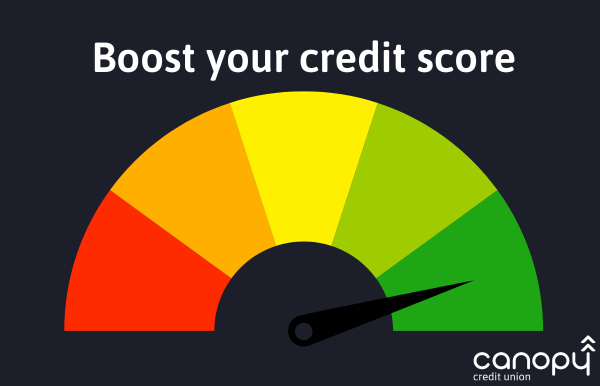
DO YOU WANT TO BUY A HOME, GET A STUDENT LOAN, FINANCE A NEW VEHICLE, REMODEL THE BASEMENT, OR MAYBE USE A CREDIT CARD TO CHARGE BUSINESS EXPENSES? HAVING A HEALTHY CREDIT SCORE IS IMPORTANT TO BORROWING MONEY.
Applying for a loan or credit card to finance a purchase is essentially asking a lender to trust that you’re going to pay them back according to the terms you agree upon. Landlords, insurers, and employers often use credit information to filter out applicants they may deem too risky. While it may not seem fair in some cases, lenders often see your credit score as a sign that the rest of your life is well managed and that you “take care of your business.”
At Canopy, we know you are more than your credit score. We are passionate about giving chances to people who have been turned away from other financial institutions because of factors like poor credit.
However, we believe that empowering members to learn about finances will help them continue to grow. Being educated on the ins and outs of credit scores is a crucial step towards financial wellness.
Who decides my credit score?
In the United States, there are three credit reporting agencies. Experian, Equifax, and TransUnion. Each reports and calculates your score differently.
What’s a good credit score?
Credit scores range from 300-850. This is the breakdown:
Excellent: 780-850
Good: 660-779
Fair: 600-659
Unfavorable: 500-599
Deficient: 300-499
Why does having good credit matter?
There are many benefits to having good credit. Many areas of life from lending to employment benefit from good credit. Having good credit improves access and lower cost for:
Borrowing needs
Housing – whether renting or buying
Transportation
Insurance: auto insurance premiums can sometimes increase more for having poor credit than having an at fault accident on your driving record.
Communication services
What makes up a credit score?
Your credit score is calculated by the credit reporting agencies with five factors. Each factor is weighed differently to make up the total score, with some factors like payment history mattering much more than credit mix.
TransUnion breaks down these five factors this way:
Payment history:40% — the most important factor is to pay your bills on time. Don’t be late. Don’t miss payments. Setting up automatic payments can help with making sure you are always on time.
Credit utilization:23% — credit utilization is based on the overall amount of money you’ve spent on your credit cards or accounts that have credit limits. In order to look “less risky” to lenders, don’t use more than 30% of your total available credit across all your accounts. Doing so may indicate that you’re dependent on borrowing or simply overspending based on your income and ability to pay back. Pay down balances as much as possible each month. To keep within under 30% utilization, pay off cards multiple times a month or spread payments out on a variety of cards.
Example: Alex has three credit cards. The first card has a limit of $1,000, the second a limit of $2,000 and the third a limit of $5,000. Together, her available credit is $8,000. To make sure she stays under a 30% utilization for her $8,000, Alex pays off her cards if she gets close to or above $2,400 in combined purchases across her cards.
Length of credit history: 21% — the longer your credit history, the more data is available to show creditors that you’re a good risk and you’ve proven it over time. Keep any credit cards you have active by making a purchase on each one every few months. Inactive accounts might be closed by the lender, which can reduce your average credit age and lower your credit score.
Credit mix: 11% — maybe you’re paying a mortgage, have paid off an auto loan, and pay off your credit card balance each month. The ability to manage a variety of types of credit adds points to your score.
Recent credit inquiries: 5% — creditors checking your credit before making a lending decision, can hurt your scores. It’s usually temporary but can cause your score to fall a few points. Wait at least 6 months between hard credit inquires. Soft credit pulls (like checking your credit score on a free website) does not effect your credit score as it is more of a guess rather than a precise number.
To learn more on how to Boost your Credit Score, please check out Canopy CU
We’ll be direct. When you have a startup or a small Business, leasing offers more flexibility in money, loaning, and changing locations. If you plan to buy a commercial space, only do so if you’re prepared to rent the same space.
Comparison of Benefits and Drawbacks of Buying vs. Leasing a Commercial Space
When you buy or lease a commercial space, you must decide which benefits you want and which drawbacks you can live with. Therefore, we don’t just compare the pros and cons. Instead, we compare the benefits of buying against the benefits of leasing. We also compare the drawbacks of buying against the drawbacks of leasing.
As you can see above in the table, the benefits of buying a commercial space is higher. But the higher the benefits, the greater the risks. Below, we also compare the drawbacks of leasing and buying a commercial space.
Benefits of Leasing Commercial Space
Renting is more viable for small businesses and startups. Leases allow you to move and spend more money on other costs. Below are some of the benefits of leasing a commercial space.
Lower Upfront Costs
When you only have to pay rent, you don’t need a down payment. This also frees you money for qualifying for other loans. But you’ll need to pay the attorney, broker, release inspection, and security deposit fees.
Predictable Monthly Costs
You wouldn’t need to spend for unexpected damages on the property when leasing. This advantage makes it easier to budget and plan for the future. Check your contract for the extent of your responsibility in fixing what would be defined as minor repairs.
Benefits of Buying Commercial Space
When buying commercial real Estate, you also get the advantage of having a property. You are more likely to qualify for loans because your commercial property makes you more stable and secure. You also have more assets aside from your business.
Long-term Investment
As equity increases over time, so does capital appreciation. Capital appreciation is affected by the same things as equity: inflation and local and industrial economies. With your long-term investment, you can fund your retirement once you sell your property or business.
Rent Income
When owning a commercial space, it is best to take advantage of renting it. Most businesses only use 50% of their commercial space. You can earn extra income from your business by renting the rest of the space.
Countermeasure Drawbacks of Leasing Commercial Space
Just as there are benefits to renting a commercial space, there are also downsides. While rental costs are fixed, they can be bigger than fixed mortgage rates.
No Equity
Unlike owning a property, rental properties don’t build equity. Fortunately, there are lease-to-own commercial properties where your rent is part of your purchase.
Rent Increases
Landlords may increase rent at the end of a lease term, which can affect a business’s bottom line. While you can move, you must consider the moving cost versus the monthly lease.
Countermeasure Drawbacks of Buying Commercial Space
Buying commercial property has its downsides, too. Just as you can have bigger gains by purchasing a property, you also have bigger risks and payments.
High Upfront Costs
Purchasing commercial space requires significant upfront capital. Down payment for commercial spaces in Washington can be 20-25% of the purchase. Getting small business loans can help get the funding you need.
Property owners are responsible for maintenance and repairs, which can be costly and time-consuming. Remember to buy liability insurance for costly legal fees and settlements.
Buy or Lease Commercial Space: Factors to Consider
It will take time and thoughtful consideration whether to buy or lease a commercial property. Below are factors to consider, which we hope to give you insights into your important decision.
To Buy or Lease Commercial Space: Your Final Decision
Buying or leasing commercial property offers pros and cons. We often recommend renting for small businesses and startups. We also recommend buying a commercial space if you are prepared to rent the same space.
However, it is best to look at your business situation. By knowing your business needs and goals, you’ll understand better which benefits are for you. By knowing what you don’t need and what you can risk, you can decide which drawbacks you can live with.
AT CANOPY, WE BELIEVE IN GOING ABOVE AND BEYOND FOR OUR MEMBERS.
Having products that also go the extra mile for members is important to us. Now, our KASASA Checking accounts are even BETTER, with members getting paid more than ever for banking local.
Our Kasasa Rewards Checking account now provides up to $12 cash back each month. Here’s how it works. You earn 4.00% cash back on up to $300 in debit card purchases monthly when your account qualifies. That’s up to $12 cash back each month, which is $144 each year!
All you have to do to qualify is enroll in eStatements and have 12 or more debit card purchases every month. Did we mention you also get up to $20 monthly in refunds on ATM fees nationwide?
Now the question is, what could you do with an extra $12 in your budget every month? Here are a few ideas to get you started!
Pay your streaming subscriptions!
It can be hard to say goodbye to your favorite shows, but budgets can be tight. Finding the best streaming service for you can take some trial and error that takes a toll on your wallet. Take the time to make a decision about one to two streaming Services work best for you. Then use your $12 towards covering the cost of a streaming service. That will help you truly settle back and enjoy the show!
Treat a friend and you to coffee
Getting together over a “cup of joe” can lead to special moments. Intentionally setting aside time and your $12 to catch up with a friend is a great way to make the most out of your money. Exchange your $12 for two $4 coffees, a $2 pastry to share and little extra for tax and a tip!
Put towards gas money
Put your extra $12 toward your gas money is another way to utilize this free cash! While $12 might not make a huge dent, it will take you a few more miles.
Buy local goods!
Take your $12 and see how you can support local businesses with your extra cash. At a farmer’s market, make a game out of seeing how much bang you can get for your buck. With a bunch of carrots, freshly picked apples and a jar of local honey, you will have won big time with your rewards.
Cover your gym membership!
Get your sweat on, for free! Use your $12 to cover monthly gym membership fees. That way just you will be doing the heavy lifting, not your wallet.
Let the music roll on – for free
Put your $12 to work by budgeting it to cover the cost of your favorite digital music service. Free tunes will be music to your ears!
Pay it forward!
There are so many ways to pass along the love! What if you utilized the $12 you earned to make other people’s day? Each month, make a plan to give back with your $12. Maybe that is a couple extra bucks in the tip jar at your local coffee shop, or paying for the person behind you at a restaurant.
$12×12=$144!
Now, what if you saved up that $12 each month and budgeted for one special treat with the $144 that you earned? With that extra cash, you can make special memories or even knock something off of your ever-growing to-do list.
Fancy dinner for two
Washington Parks Discover Pass for $35 and a new pair of hiking boots to hit the trails
Tickets to your favorite sporting event
New outfit for a night out on the town
Deluxe car detail – who knows how long those fries have been underneath the seat?
Plane ticket to get out of town!
Fresh set of housing CleaningSupplies – laundry detergent, paper towels, toilet bowl cleaner – oh my!
A day at the spa
New patio furniture
10 bags of your dog’s favorite treats – they are your best friend after all!
To learn more information about this topic, please check out Canopy CU